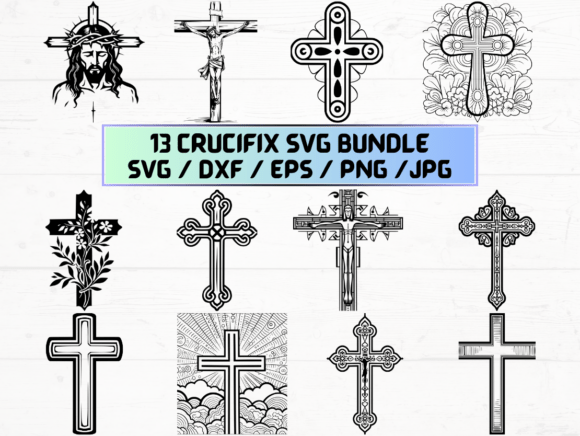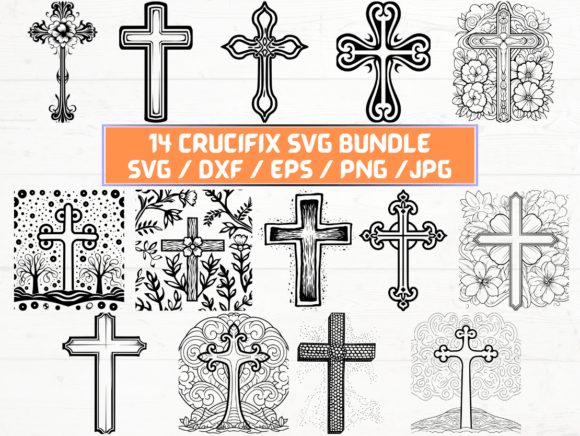
Cross Crucifix Laser Cut: A Designer's Real-World Review
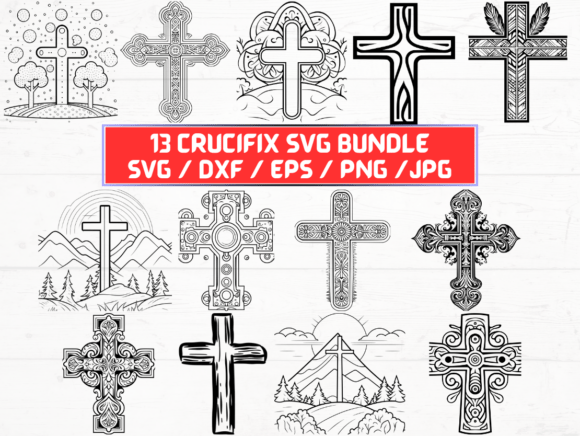
When I first opened the folder for Cross Crucifix Laser Cut, I didn't just see a graphic; I saw a potential centerpiece for a very specific type of client project. As someone who spends hours tweaking stitch densities and selecting thread colors, my initial reaction is rarely about how pretty the file looks on a screen. Instead, I am immediately thinking about how it will translate to fabric. The mood this design creates is one of quiet reverence mixed with modern minimalism. It feels like a piece that belongs in a home where faith is central but not loud, or perhaps on a garment that needs to carry a subtle yet powerful message.
The aesthetic of Cross Crucifix Laser Cut leans heavily into clean lines and precise geometry. In the world of machine embroidery, "clean" is a luxury. Many designs struggle when the software tries to interpret complex curves, leading to puckering or lost detail. This design, however, seems built with the laser cutter in mind, which often translates beautifully to embroidery files as well. The sharp angles suggest a strong structural integrity that should hold up well against the tension of the needle and thread. It feels less like a decorative flourish and more like a foundational element of a brand identity or a personal statement.
From Screen to Stitch: A Practical Scenario
To truly understand the value of this asset, imagine you are an Etsy seller preparing a collection of custom holiday gifts. You have a client who wants a personalized embroidered apron for their grandmother, featuring a family crest or a religious symbol. The grandmother loves simplicity and hates cluttered patterns. She prefers items that look professional and timeless rather than trendy and fleeting.
This is where Cross Crucifix Laser Cut becomes a strategic choice. You decide to use the design on a heavy cotton canvas apron. Because the design has a distinct outline and clear negative space, it allows for a beautiful contrast between the fill stitches and the fabric texture. When you run a test stitch, the satin edges of the cross catch the light perfectly, giving the finished product a premium feel. The customer receives the apron, touches the smooth stitching, and immediately understands the care put into the handmade product. The design elevates the perceived value of the item without overwhelming the user's personal style.
Alternatively, consider a boutique owner creating a line of baby bibs. They want to offer a gender-neutral option that parents can keep as a keepsake. The Cross Crucifix Laser Cut design fits perfectly here. Its clean lines ensure that even if the stitching is done on a soft, stretchy jersey knit, the shape remains recognizable. The design does not rely on tiny, intricate details that might get lost in the fluffiness of a baby blanket or the bulk of a sweatshirt cuff. It stands firm, offering a sense of stability and comfort that resonates deeply with new parents looking for meaningful gifts.
Where the Design Shines in Commercial Use
In the realm of small business merchandise, clarity is king. Whether you are producing patches for a motorcycle club, branding for a church group, or custom apparel for a local non-profit, the visual impact of your design determines whether customers trust your brand. Cross Crucifix Laser Cut offers high legibility from a distance. This is crucial for products like tote bags or large back-of-shirt embroidery where the viewer might be three feet away.
- Custom Apparel: On denim jackets or heavy hoodies, the design provides a solid anchor point. It balances well with other elements like text or smaller icons.
- Pillow Covers: For home decor, the crisp edges create a polished look that complements both rustic farmhouse styles and modern minimalist interiors.
- Holiday Gifts: During Christmas or Easter seasons, this design serves as a versatile motif that can be adapted with seasonal thread colors without losing its core identity.
- Digital Assets: If you are selling printable mockups or digital design assets, the transparency of the PNG files ensures that your previews look seamless on any background color you choose.
The versatility extends to the technical side of production. The inclusion of multiple file formats means you are not limited by your equipment. Whether you are working with a domestic machine or a multi-head industrial setup, having the DXF and EPS files allows for easy resizing without pixelation. This flexibility is essential for embroidery designers who need to adapt a single design for various product sizes, from a 4x4 hoop patch to a full-back jacket application.
Navigating Potential Pitfalls
However, no design is perfect for every situation, and as an experienced reviewer, I must highlight where Cross Crucifix Laser Cut requires caution. While the design is robust, it is not immune to the physical limitations of fabric and thread. If you plan to use this on a curved surface like a baseball cap, you must pay close attention to the curvature of the cross arms. Tight curves on a small hoop can sometimes cause the thread to bunch up, ruining the crispness of the laser-cut aesthetic.
Textured fabrics present another challenge. If you attempt to embroider this design on a thick, looped terry cloth towel or a highly textured linen, the definition of the cut edges may soften. The design relies on precision, and a rough fabric surface can obscure those fine details. Similarly, on thin or stretchy fabrics like rayon blends, the density of the fill stitches could cause the material to pucker if not stabilized correctly. Using a high-quality tear-away stabilizer is non-negotiable here to maintain the structural integrity of the final product.
Dark fabrics also require careful consideration. If you are using white or light-colored thread on a black shirt, the design will pop, but you must ensure the stitch density is sufficient to cover the dark background completely. Otherwise, you risk seeing the fabric peeking through, which diminishes the professional look of the finished item. Conversely, on dark fabrics, a darker thread might make the design disappear unless there is significant contrast or a metallic thread is used for highlights.
Essential Notes for the Embroidery Professional
Before you commit to a full production run or start selling finished goods, there are practical steps you must take. First and foremost, always test the design on scrap fabric. This simple step reveals issues with thread tension, stabilizer choice, and stitch density that you cannot predict from a digital file. Check the stitch density closely; areas that are too dense can become stiff and uncomfortable, while areas that are too sparse may lack durability.
Review the thread colors you intend to use. The design works best with colors that complement the theme, such as gold, silver, deep red, or navy blue. Avoid overly bright neon threads unless you are aiming for a specific avant-garde look, as they can clash with the solemnity of the crucifix imagery. Also, inspect the small details in the corners. Sometimes, when converting vector files to embroidery paths, tiny points can get lost or become jagged. Trim these manually if necessary to ensure a smooth finish.
Finally, confirm your licensing terms. If you are planning to sell the finished embroidered products, ensure the license for Cross Crucifix Laser Cut permits commercial use. Some digital products allow for personal use only, while others grant full rights to sell the physical items created from them. Understanding these terms protects your business from legal issues and ensures you are operating ethically within the craft business community.
In conclusion, Cross Crucifix Laser Cut is a thoughtfully designed asset that bridges the gap between digital precision and tactile craftsmanship. It offers a reliable foundation for creating meaningful, high-quality embroidered products that resonate with customers seeking authenticity and style. With proper testing and attention to fabric selection, this design can elevate your projects from simple crafts to standout pieces in your portfolio.