Corgi Head Laser Cut: A Designer's Real-World Embroidery Review
When I first opened the folder for Corgi Head Laser Cut, my immediate thought wasn't about the file formats or the instant download speed. Instead, I was picturing how this specific shape would sit on a customer's chest after twenty minutes of machine stitching. As an experienced designer who has reviewed countless assets for both personal hobbies and commercial small business ventures, I know that a pretty picture on a screen doesn't always translate to a clean stitch-out. This review is based on a practical evaluation of how Corgi Head Laser Cut performs when moving from digital design assets into a tangible handmade product.
The First Impression: Mood and Visual Personality
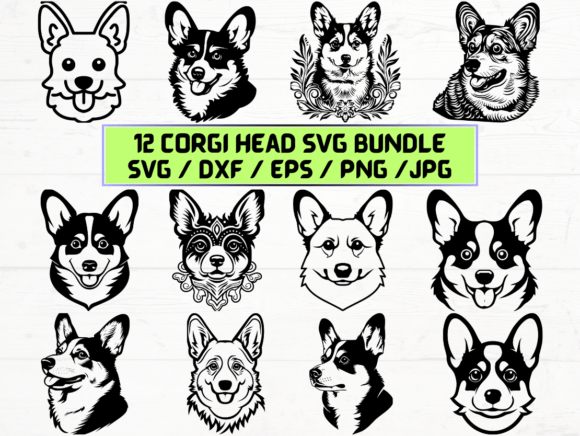
The moment you look at Corgi Head Laser Cut, it radiates a specific kind of warmth. It isn't just a generic dog silhouette; it carries the distinct personality of a Corgi—playful, slightly mischievous, and undeniably cute. In the world of embroidery design, mood is everything because it dictates the emotional response of the buyer. This design feels like it belongs in a nursery, on a cozy sweatshirt, or perhaps as a cheerful accent on a kitchen towel.
The "Laser Cut" aspect of the title suggests a clean, crisp outline, which is crucial for embroidery. If the vector path is too jagged or overly complex, the satin stitches will struggle to follow the curve, resulting in a messy edge. Visually, the layout seems balanced enough to work well as a standalone focal point without needing heavy text or additional graphics. For a small shop product owner, this balance is gold because it allows the design to shine without looking cluttered. It creates an inviting atmosphere that says, "This item is made with care," rather than "This is mass-produced."
Real-Life Scenario: The Custom Tote Bag Project
To truly test the viability of Corgi Head Laser Cut, I imagined a real-world scenario: preparing a custom embroidered tote bag for a local craft fair. The goal was to create a unique gift for a client who loves dogs but wanted something more sophisticated than a cheap printed graphic. I selected a natural canvas tote, a classic choice for embroidery projects.
In this context, the design needed to hold up against daily wear and tear while still looking sharp. When I visualized the stitching process, I considered how the thread colors would interact with the canvas texture. The clean lines of the laser cut style suggest that it would work beautifully with a simple two-color palette, perhaps a rich chocolate brown for the outline and a soft cream for the fill. This contrast ensures high visibility on the fabric. If the design were too intricate, the threads might bunch up on the thick canvas weave, but the simplicity here offers a safe bet for a professional finish. The result would be a tote bag design that customers would proudly carry, boosting brand recognition for the seller.
Performance Across Different Fabric Types
One of the most critical factors for any machine embroidery design is its adaptability to different materials. Corgi Head Laser Cut appears versatile, but there are nuances to consider depending on where you plan to place it. On stable fabrics like denim, twill, or cotton canvas, the design should stitch out with excellent clarity. The density of the stitches will likely lay flat, creating a smooth surface that feels premium to the touch.
However, caution is required when applying this to stretchy fabrics like jersey t-shirts or sweatshirts. While the design is likely suitable for sweatshirt embroidery, the stability of the underlying material becomes paramount. Without proper stabilizer, the curves of the corgi's ears could pucker, ruining the silhouette. Similarly, textured fabrics like fleece or boucle can hide the fine details of the design. In these cases, the "laser cut" precision might get lost in the fuzziness of the material. For a boutique branding effort, sticking to smoother fabrics ensures the design retains its intended visual appeal.
Where to Use with Caution
While Corgi Head Laser Cut is robust, it is not a one-size-fits-all solution for every crafting situation. There are specific scenarios where this design requires extra attention:
- Small Hoop Sizes: If you are working with a 4x4 hoop, ensure the design fits comfortably within the limits. Crowding a design often leads to registration issues where the needle hits the hoop, causing skipped stitches.
- Detailed Corners: Any design with tight curves needs careful inspection. If the corners are too sharp, the thread may break or the fabric may gather. Always check the stitch density in these areas.
- Dark Fabrics: On dark backgrounds, the thread color contrast is vital. A light-colored outline might disappear if the thread shade is too similar to the fabric. Test your thread colors before committing to a full production run.
- Curved Surfaces: Applying this to a cap or hat requires a curved hoop and precise placement. The distortion of the fabric during stitching can alter the proportions of the corgi head, making it look wider or narrower than intended.
Impact on Product Value and Customer Trust
In the competitive world of Etsy sellers and craft business, the quality of the final product determines whether a customer returns. A poorly stitched design can make even the best idea look amateurish. Conversely, a clean execution of Corgi Head Laser Cut elevates the perceived value of the item. When a buyer receives a personalized gift with crisp, well-defined stitching, they perceive the maker as a professional.
This design also lends itself well to personalized gifts. Whether it is a baby blanket for a new parent or a holiday gift for a dog lover, the recognizable shape of the corgi creates an instant connection. The clean aesthetic allows the design to feel modern and timeless, avoiding trends that might fade quickly. For commercial embroidery projects, consistency is key. Using a reliable file like this helps maintain brand consistency across different items, from aprons to pillow covers.
Practical Designer Notes for Success
Before you upload Corgi Head Laser Cut to your machine, there are essential steps to ensure a flawless outcome. First and foremost, always test the design on scrap fabric. This allows you to gauge the stitch density and see how the threads behave under tension. You should also inspect small details closely; sometimes, what looks perfect on a monitor can become a tangled mess of thread on actual fabric.
Check the hoop size requirements listed in the product information. The listing mentions a ZIP folder containing SVG, PNG, DXF, JPG, and EPS files, which provides flexibility for various software platforms. However, you must verify if the design includes necessary trims and jump cuts for efficient stitching. If the file does not specify the recommended stabilizer type, default to a cut-away stabilizer for garments that need durability, especially for items that will undergo frequent washing.
Furthermore, review the licensing terms carefully. Even though the files are provided for digital product sellers and creative entrepreneurs, using them for finished product sales usually requires a commercial license. Confirming this before you start your embroidery project protects your small business merchandise from legal issues.
Final Thoughts on Design Assets
Corgi Head Laser Cut stands out as a thoughtful addition to any crafter's library. Its strength lies in its ability to convey emotion through simple, clean lines that translate well into physical form. Whether you are creating a holiday embroidery collection, designing apparel decorations, or making unique decorative accents for the home, this design offers a solid foundation.
By understanding its strengths and limitations, you can leverage this asset to create high-quality custom apparel and embroidered patches that delight customers. Remember, the success of a graphic in the embroidery world depends less on the image itself and more on the technical preparation and the care taken during the stitching process. With the right approach, Corgi Head Laser Cut can transform from a simple file into a cherished piece of art.