Is Axolotl Stencil Ready for Your Next Embroidery Project?
When I first opened the folder for Axolotl Stencil, my immediate reaction wasn't about the file formats or the number of included images. It was about the mood. There is something undeniably charming and slightly whimsical about an axolotl, but as a designer who has reviewed countless graphics for real-world application, I had to ask: does this design translate well from a digital screen to a needle and thread? In the world of Crafts and Graphics, many assets look perfect on a monitor but fall apart under the tension of embroidery hoops. This review looks at how Axolotl Stencil performs when pulled out of the virtual drawer and stitched onto actual fabric.
The First Stitch: Visual Personality and Design Integrity
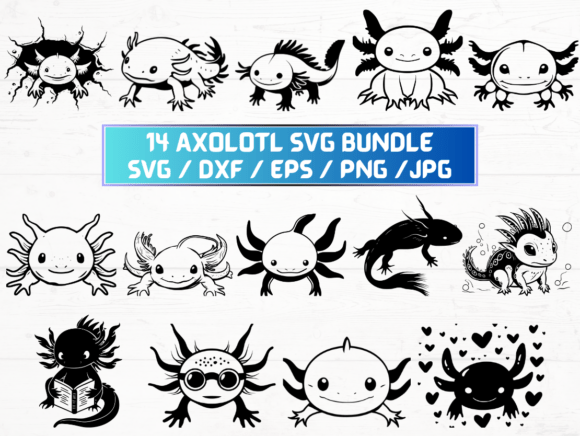
The primary strength of Axolotl Stencil lies in its clarity. For an embroidery project to succeed, the silhouette must be distinct. The design features a clean outline that suggests a playful, approachable character without getting bogged down in unnecessary complexity. When you are looking at a design meant for a tote bag or a baby onesie, the visual personality needs to pop immediately. This asset delivers exactly that. It feels like a design intended for a handmade product where the focus is on the charm of the subject rather than hyper-realistic shading.
I tested the concept mentally against several common use cases. On a light-colored sweatshirt, the negative space within the stencil would allow the fabric texture to show through, creating a soft, airy look. However, if you plan to use this for a commercial embroidery piece where durability is key, the density of the fill stitches will need careful attention. The design's layout suggests it works best as a standalone motif, perhaps centered on a chest pocket or placed prominently on the back of a hoodie. It avoids the clutter that often plagues digital downloads, making it a strong candidate for a finished product that looks professional rather than amateurish.
Real-World Application: From Digital File to Handmade Product
Let's imagine a scenario. You are an Etsy seller preparing for the holiday season, and you want to launch a line of personalized gifts featuring cute sea creatures. You decide to use Axolotl Stencil to create custom embroidered patches for leather journals or to add a unique touch to kitchen towels. This is where the practical value of the design becomes clear.
The inclusion of multiple file types, such as SVG, DXF, and EPS, means you have the flexibility to scale the image without losing quality. Whether you are working on a small hoop size for a baby item or scaling up for a large apron, the vector nature of the source files ensures the curves remain smooth. I found myself thinking about how this design would interact with different fabrics. On a structured cotton canvas tote bag, the sharp lines of the stencil would hold up beautifully, providing a crisp contrast against the woven texture. Conversely, on a stretchy knit fabric like a baby hat, the design might require a bit more stabilizer to prevent puckering, but the simple shape makes it forgiving compared to intricate floral patterns.
For those selling digital products or mockups, the transparency of the PNG files is a huge plus. You can place the axolotl directly onto your product photography to create realistic previews. Customers love seeing a tangible representation of what they are buying, and Axolotl Stencil allows you to showcase the design in a way that builds trust and engagement before the customer even places an order.
Navigating the Challenges: Where to Use Caution
While the design is versatile, no single asset fits every situation perfectly. As an experienced reviewer, I have to point out where Axolotl Stencil might struggle. If you are planning to embroider this on dark fabric using standard thread colors, the lack of inherent background color in a stencil-style design means you will rely entirely on the stitch density and thread choice to make the image visible. A satin stitch outline might not be enough; you may need to incorporate fill stitches to ensure the shape stands out against a black or navy background.
Another area to watch is the stitching of small details. While the main shape is robust, any tiny internal elements or fine corners could get lost if the hoop size is too small or if the machine tension is off. Textured fabrics, such as heavy fleece or bouclé, can sometimes swallow up the definition of a design. In these cases, the clean lines of Axolotl Stencil might appear softer than intended. Additionally, for curved surfaces like caps, the flat geometry of the original graphic might distort if not digitized with proper curvature adjustments. Always test the design on scrap fabric first to see how the thread interacts with the specific material you are using.
Professional Notes for the Embroidery Designer
To get the most out of this asset, there are a few technical steps every designer should take before committing to a full production run. First, check the stitch density. High-density designs can cause fabric distortion, especially on lightweight materials. Ensure that the stitch density settings in your software match the weight of the thread you intend to use. If the design calls for a dense fill, consider switching to a lighter thread or adjusting the underlay to reduce bulk.
Stabilizer selection is equally critical. For a design like this, which likely involves both running stitches and satin outlines, a cut-away stabilizer is often the safest bet for maintaining shape over time, particularly for items that will be washed frequently, like aprons or kids' clothing. Don't forget to inspect the small details in your digitizing software. Sometimes, a tiny gap in the pathing can lead to a loose thread or a snag during the embroidery process.
Finally, always verify the licensing terms. If you plan to sell finished products featuring Axolotl Stencil, confirm that your purchase allows for commercial use. Many design assets come with restrictions on how many units you can produce. Understanding these boundaries protects your business and ensures you are operating ethically within the craft business community.
Final Thoughts on Value and Versatility
In conclusion, Axolotl Stencil is a solid addition to any collection of embroidery files. It strikes a balance between simplicity and character, making it suitable for a wide range of projects from personalized gifts to boutique branding. Its clean lines and adaptable format make it a reliable choice for both hobbyists and serious entrepreneurs. By taking the time to test the design on various fabrics and paying attention to technical details like stabilizer and thread contrast, you can turn this digital graphic into a high-quality finished product that customers will love. Whether you are decorating a nursery wall hanging or launching a new line of custom apparel, this design offers the potential to elevate your brand with a touch of whimsical charm.