Gnome Clipart for Crafts and Graphics Projects
I recently received a brief from a client launching a boutique line of artisanal soaps and candles. They wanted a brand identity that felt warm, whimsical, and deeply rooted in the handmade business aesthetic. The mood board was filled with earthy tones, rustic textures, and a touch of fantasy. That is when I considered using this Gnome Clipart collection. As a designer who works with brand identity and packaging design daily, I do not simply look at an image; I evaluate its potential to elevate a commercial project. This review explores how these assets perform in real-world scenarios, from Cricut projects to high-end marketing visuals.
The First Impression: Mood and Visual Style
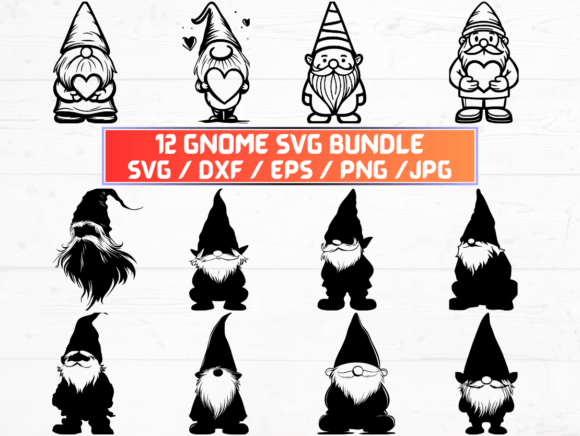
When you first open the folder, the immediate feeling is one of playful charm without crossing into childish territory. The illustrations possess a soft, organic quality that suggests they were hand-drawn but refined for digital precision. In the context of creative design, this asset strikes a balance between traditional folk art and modern vector graphics. It naturally fits brands that want to convey approachability, nature, and craftsmanship. For a small business owner looking to differentiate their product on shelves or online marketplaces like Etsy, this visual language offers an instant emotional connection.
The style is versatile enough to support various design directions. Whether you are aiming for a cozy winter campaign or a spring garden party theme, the character designs adapt well. They are not generic; they carry personality. This is crucial for visual hierarchy because a unique illustration can become a focal point that anchors a layout. However, it is important to note that this is a design bundle meant for specific aesthetics. It does not belong in a corporate law firm's annual report or a minimalist tech startup's website. Its strength lies in commercial design sectors focused on lifestyle, wellness, and creative hobbies.
Performance Across Real Design Scenarios
In my recent project for the soap brand, I tested these files across multiple mediums. The Gnome Clipart proved exceptionally effective for product labels. When scaled down to fit a circular sticker label, the details remained crisp. This is where the inclusion of SVG design files becomes invaluable. Vector formats allow me to resize the gnome without losing any edge definition, ensuring that whether it appears on a tiny jar tag or a large storefront banner, the quality remains pristine.
For social media graphics, the PNG design versions with transparent backgrounds saved hours of editing time. I could layer the gnomes over textured watercolor papers or solid color blocks instantly. They work beautifully as decorative accents in Instagram posts or as hero graphics for Pinterest pins. The 300 dpi resolution ensures that even when printed for print-on-demand merchandise like tote bags or mugs, the image retains its sharpness. I also explored using them for sublimation design on custom apparel, where the clean lines of the EPS files translated perfectly to fabric.
The versatility extends to editorial design and web design as well. Imagine a blog post about "Winter Crafting Tips" featuring a small gnome icon next to the header. It adds a touch of delight that keeps readers engaged. Similarly, for digital sellers creating templates, these assets serve as excellent Canva template elements. A user can drag and drop the gnome onto a wedding invitation or a baby shower card to add a whimsical flair that feels custom-made rather than stock.
Strategic Placement and Limitations
While this asset is powerful, professional judgment dictates knowing where it should not go. These gnomes thrive in large layout areas or as supporting brand elements where they can breathe. They are less suitable for small sizes where fine details might blur, especially if the output device is low-resolution. Furthermore, placing them on crowded layouts with competing patterns can dilute their impact. If your design already has heavy textures or complex backgrounds, the gnome might get lost visually.
There are also contexts requiring extreme caution. For minimalist branding that relies on negative space and stark typography, these detailed illustrations might feel too busy. In projects requiring very clean visual hierarchy where text must dominate, the gnome should be used sparingly as a subtle watermark rather than a primary focus. Additionally, while they add emotional appeal, they can sometimes undermine professionalism if the client's industry is strictly formal. Always align the asset with the brand voice before committing to a final concept.
Technical Checks for Commercial Use
Before delivering any final design to a client, I run a strict checklist. First, I test the asset in black and white. This ensures that the contrast holds up even when color is removed, which is vital for print consistency. Next, I preview the file at both small and large sizes to check for pixelation or jagged edges, particularly in the PNG design versions. I always place the graphic on real product mockups to see how it interacts with shadows, curves, and lighting.
File format inspection is non-negotiable. I verify the SVG design code to ensure paths are closed and editable. If I am preparing a sticker design for cutting machines, I confirm the DXF files have accurate cut lines. I also compare the illustration against different font styles—serif fonts often pair well with the rustic feel, while script fonts can enhance the whimsical vibe. Conversely, pairing it with a rigid sans serif font might create a jarring clash unless intentional.
Finally, confirming the commercial license is the most critical step. You must understand exactly what rights you have when using this graphic design asset for a paying client. Does the license cover unlimited prints? Is there a cap on merchandise units? Are you allowed to modify the artwork? Ignoring these terms can lead to legal issues. Always read the fine print associated with the design bundle to ensure compliance.
Why This Asset Matters for Your Brand
In the competitive world of creative marketplace products, standing out requires more than just good copy; it requires strong visual storytelling. Gnome Clipart offers a cohesive set of tools that can help content creators, bloggers, and publishers build a distinct visual identity. It transforms a standard digital product into something with character and soul.
Whether you are designing a campaign visuals package for a seasonal sale, creating printable wall art, or developing a full brand identity for a new shop, these files provide a solid foundation. They simplify the workflow by offering multiple formats in a single instant download. By integrating these assets thoughtfully, you can create designs that not only look polished but also resonate emotionally with your audience. For anyone in the crafts and graphics space looking to add a touch of magic to their modern design projects, this collection is a valuable addition to the toolkit.