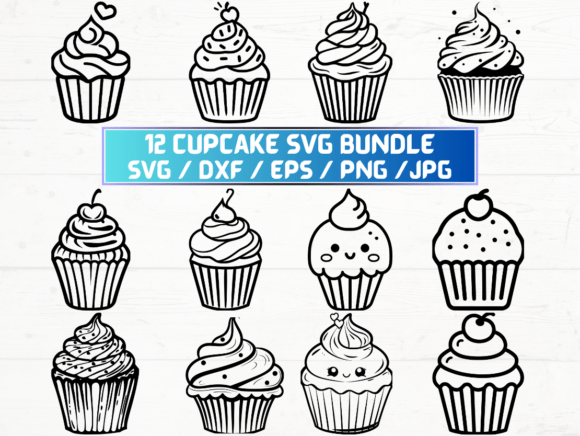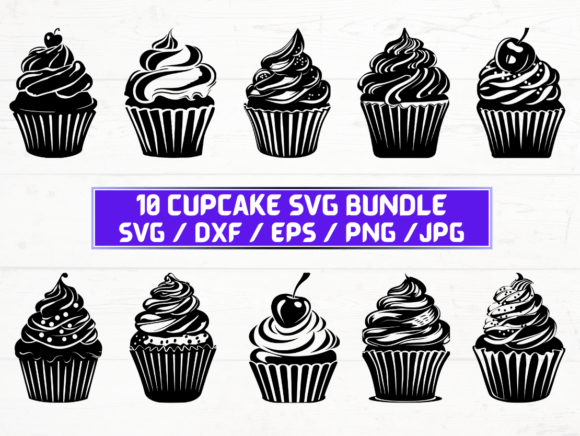
Cupcake SVG, DXF, EPS, JPG, PNG for Graphics and Crafts
In the world of digital publishing, the first thing a reader notices is not the headline or the hook, but the visual language that frames the content. As a designer who has spent years building editorial systems for high-traffic blogs and affiliate sites, I know that Cupcake SVG, DXF, EPS, JPG, PNG is more than just a cute icon; it is a strategic design asset that can define the mood of an entire publication. When evaluating this graphic design asset for real website use, I looked past the simple aesthetic to see how it functions within a professional workflow.
The immediate impression of this file set is one of playful sophistication. It strikes a balance between a lifestyle-focused vibe and a polished editorial look. Whether your niche is baking, parenting, DIY crafts, or even general wellness, this asset brings a sense of warmth and approachability. It feels modern yet decorative, creating a visual identity that invites readers to stay longer. For content creators looking to build trust through design, this graphic offers a clean, crisp look that elevates brand perception without overwhelming the text.
Elevating Editorial Design with Versatile File Formats
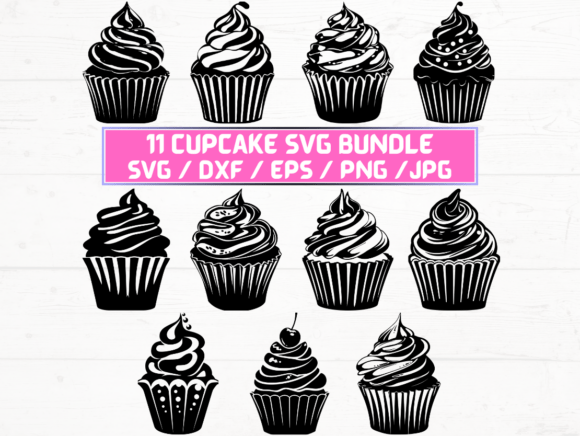
One of the most critical aspects of my review process is checking the technical specifications of any graphic design asset before integrating it into a live site. The product description highlights a robust collection: This listing includes 5 files in a ZIP Folder. INSTANT DOWNLOAD • 11 SVG Files • 11 PNG Files 300 dpi with transparent background • 11 DXF Files • 11 JPG Files • 11 EPS Files. This variety is essential for a publisher who needs flexibility across different platforms.
The inclusion of 11 SVG files is particularly impressive for web design. Scalable Vector Graphics allow me to resize images for everything from massive hero banners to tiny social media icons without losing quality. For a blog focused on visual hierarchy, having these vector files means I can adjust the weight and scale of the cupcake imagery to perfectly match the typography of my articles. The 11 PNG files at 300 dpi are equally valuable. With their transparent backgrounds, they act as perfect overlays for Pinterest pins or featured images, ensuring the graphics blend seamlessly with any background color or photo.
Strategic Applications for Content Marketing and Affiliate Pages
So, where does this Cupcake SVG, DXF, EPS, JPG, PNG fit into a real publishing strategy? In my experience, versatility is key to maintaining a consistent brand identity across all channels. I envision using these files in several high-impact areas:
- Featured Images and Article Thumbnails: Using the high-resolution PNGs to create eye-catching thumbnails that increase click-through rates on search engines and social feeds.
- Digital Guides and Lead Magnets: Integrating the EPS and SVG files into downloadable worksheets, checklists, or eBooks. This adds a professional touch to content upgrades that encourage email sign-ups.
- Newsletter Headers: Creating custom banner graphics for email campaigns that stand out in crowded inboxes while reinforcing the theme of the week's content.
- Social Media Graphics: Adapting the designs for Instagram posts or Facebook ads, ensuring that the creative design remains consistent whether the user is on mobile or desktop.
- Category Visuals: Using the assets to create distinct visual markers for different sections of a blog, helping readers navigate editorial layouts more intuitively.
For affiliate marketers, these visuals are crucial. A well-designed image can make a product recommendation feel more authentic and trustworthy. By using these design assets to frame product reviews or round-up posts, you signal to the reader that the content is curated and cared for, which directly impacts conversion rates.
Enhancing User Experience and Visual Identity
A strong visual system does more than just look good; it supports the user journey. When I incorporate this modern design element into a website, I notice an immediate improvement in reader trust. The clean lines and clear shapes of the cupcake graphic provide a focal point that guides the eye through the page. This is vital for content marketing strategies where the goal is to keep users engaged long enough to read the full article or click an affiliate link.
The ability to use these files in Canva templates is another significant advantage. Many small business owners and creative entrepreneurs rely on Canva for quick edits. Having the source files allows for easy customization of colors and sizes, making it simple to maintain a cohesive small business branding style across all digital touchpoints. Whether you are designing a media kit for sponsors or a promotional graphic for a new course launch, these files provide the foundation for a professional look.
Where to Exercise Caution in Layouts
While this asset is highly versatile, a seasoned publisher knows that context matters. There are specific scenarios where Cupcake SVG, DXF, EPS, JPG, PNG should be used with care. If your website serves a serious professional audience, such as corporate finance or legal advice, the playful nature of the graphic might clash with the desired tone. In these cases, it is better reserved for sidebar accents or specific lifestyle sub-sections rather than main headers.
Additionally, when placing these graphics on busy layouts or low-contrast backgrounds, readability can become an issue. I always test the visual impact by previewing the image inside the actual blog layout. If the graphic is too small, specifically on mobile devices, the details may get lost. Similarly, if you are creating text-heavy blog images, ensure the graphic does not compete with the message. The goal is to support the text, not distract from it. For websites that require a very minimal visual system, this decorative element might need to be toned down in size or opacity to maintain a sleek aesthetic.
Practical Publisher Notes for Implementation
Before committing to using this commercial design asset on a monetized website, there are several practical steps every publisher should take. First, always test the graphics on both desktop and mobile screens. A design that looks great on a wide monitor might appear cluttered on a narrow phone screen. Check how the image performs as a thumbnail in search results and social feeds to ensure it remains recognizable.
It is also wise to review the file size for web performance. Large image files can slow down page load times, which negatively affects SEO and user experience. Compress images properly before uploading them to your CMS. Furthermore, confirm the commercial license terms provided by the marketplace. Ensure that you are allowed to use the digital download on affiliate pages, paid content products, or in newsletters that generate revenue.
Finally, experiment with typography. Try placing the graphic beside serif fonts for a classic look, sans serif fonts for a modern feel, or script fonts for a handwritten charm. Testing the contrast in black and white can also reveal if the design holds up without color, which is useful for print versions of your digital guide or newsletter. By following these steps, you ensure that Cupcake SVG, DXF, EPS, JPG, PNG becomes a powerful tool in your content publishing arsenal, driving engagement and strengthening your online presence.